
Exploring the Frontier of Precision Neurostimulation
Cortigent is a leading developer of precision neurostimulation technology, a type of brain-computer interface (BCI) that represents a new frontier in medicine focused on recovering critical bodily functions lost to disease and other causes.
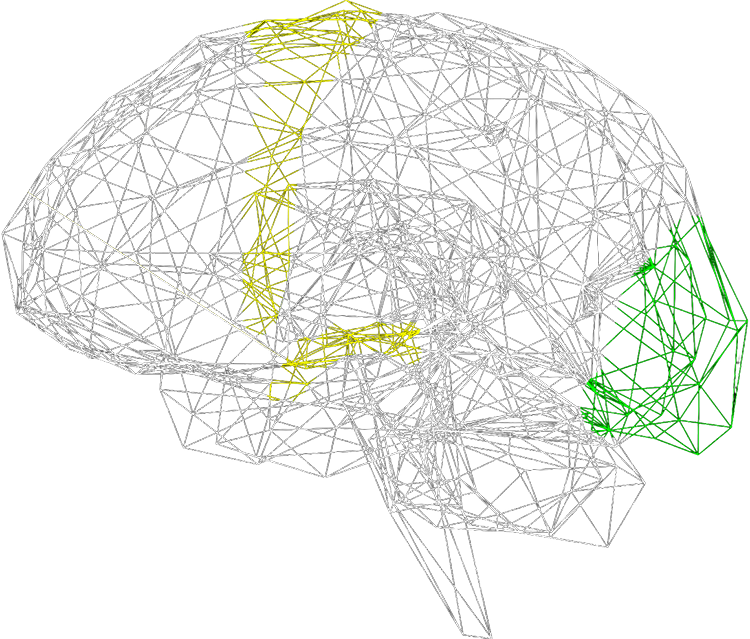
Two new medical devices in development.
Orion® Visual Cortical Prosthesis System and the Stroke Recovery System apply the same precision neurostimulation technology platform to different areas of unmet critical need.
Development focus
Advancing artificial vision and post-stroke motor recovery
Cortigent applies one precision neurostimulation platform to two distinct programs focused on artificial vision and recovery of hand and arm function following stroke.

Designed to create useful visual perception through targeted stimulation of the visual cortex
Orion combines a wearable camera, external processor, wireless implant and a 60-electrode array that is placed on the visual cortex. The system recently completed a six-year U.S. Early Feasibility Study and has FDA Breakthrough Device designation.

Designed to improve recovery of hand and arm function alongside post-stroke rehabilitation
The Stroke Recovery System applies our precision neurostimulation technology to the motor cortex and builds on prior research by Northstar Neuroscience evaluating cortical stimulation to improve post-stroke rehabilitation.
How precision neurostimulation works
By placing the electrode array on the brain’s surface rather than penetrating into brain tissue, Cortigent’s approach delivers more precisely controlled electrical pulses to selected areas of the cortex.

A foundation shaped by clinical and commercial experience
Commercial experience with the Argus II and the recently completed six-year Orion Early Feasibility Study inform Cortigent’s device development, clinical strategy and regulatory planning.

Development progress
A clear path from platform development to planned clinical work
Cortigent is advancing device design and manufacturing, regulatory and clinical planning across its development programs.
Near-term next steps
- Build the devices (underway)
- Secure FDA Investigational Device Exemptions (IDEs)
- Commence clinical trials approximately late 2027
Orion
Artificial vision for blindness due to multiple causes
- Prototype conversion for clinical trialYear 1–Mid-Year 2
- Pivotal clinical trialMid-Year 2–Year 4
Stroke Recovery System
Hand and arm movement in hemiparesis due to stroke
- EFS device design and manufacturingYear 1–Mid-Year 2
- Early Feasibility StudyMid-Year 2–Year 3
- Pivotal clinical trialYear 4
Stroke Recovery System: Key Milestones
- First prototype
- Validation and qualification
- Device production
- Verification and validation testing
- FDA clearance as an investigational device
- Timelines begin after financing is secured and remain subject to funding and development progress.
- These steps were successfully completed for the Orion system EFS and are anticipated for the Stroke Recovery System.
Experienced leadership
Medical-device, neuroscience and commercialization experience
Cortigent’s team brings decades of experience developing medical devices, advancing neuroscience and building public companies.

Jonathan Adams, MBA
Chief Executive Officer

Jerry Culp
Chief Technical Officer

Uday Patel, PhD
Lead Neuroscientist

Don Malackowski
Senior Product Development Consultant
See the latest company information
Stock data, filings, press releases, presentations, governance, alerts and investor contacts can be found in the investor relations portal.