
Targeted electrical stimulation at the surface of the brain
Cortigent uses precisely and independently controlled micro-pulses of electricity to stimulate selected neuron bundles through an electrode array placed on the cortex (brain surface) rather than penetrating into brain tissue.
Where Cortigent fits
Precision neurostimulation within the broader brain-computer interface field
Brain-computer interfaces (BCIs) can read neural activity, deliver stimulation or combine both functions. Cortigent focuses on cortical-surface precision neurostimulation.
Brain-Computer Interfaces
BCI systems may sense neural activity, deliver stimulation or combine multiple interface functions.
Reading Neural Activity
Systems in the broader field may detect neural signals for communication or control of external devices.
Precision Neurostimulation
We are developing systems that deliver real-time dynamic stimulation control through an array placed on the cortex.
How the platform works
A coordinated implant, external processor and software system
Implanted and external components work together to convert program-specific inputs into precisely controlled patterns of cortical stimulation.
Define the input
Program-specific input guides stimulation of the visual cortex or the motor cortex.
Process the signal
External hardware and software convert information into a programmed stimulation pattern.
Communicate wirelessly
The system sends power and data to implanted electronics without a percutaneous connection.
Stimulate targeted cortex
A multi-electrode surface array delivers controlled micro-pulses to selected neuron clusters.
Cortical surface array
Designed to rest on the cortex rather than penetrate brain tissue
Because the array rests on the surface of the brain rather than penetrating into brain tissue, our approach is able to deliver precisely controlled electrical pulses to selected areas of neuron clusters.

A connected implant, cortical array and external system

Wearable input and processing
For Orion, the camera and processor translate visual information into stimulation patterns.

Power, communication and pulse generation
The receiver and implanted electronics deliver dynamic power, communication and programmed pulses to the cortical array.
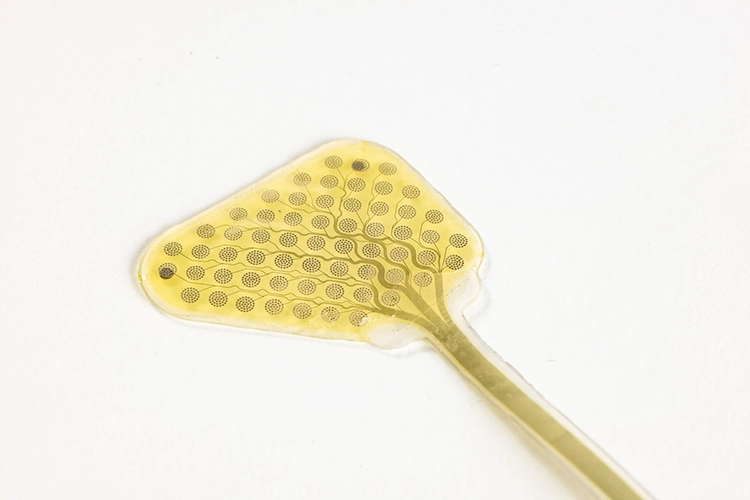
Precision stimulation at the brain surface
Sixty independent electrodes support patterned stimulation across selected regions of the brain’s surface.
Exploring more precise patterns through software
Dynamic current steering and virtual-electrode research explores how software may create more precise stimulation patterns using the 60-electrode array.
These stimulation strategies are research concepts and may be evaluated separately from an FDA-authorized clinical protocol.

Platform applications
Two current programs with room for future research
Orion and the Stroke Recovery System are Cortigent’s current development programs. The platform is expected to support additional areas of research as our technology advances.
Orion® Visual Cortical Prosthesis System
Program-specific camera processing and visual cortex stimulation.
Stroke Recovery System
Program-specific stimulation intended for investigation alongside rehabilitation.